Stepwise Approach to Large Furniture Disposal and Recycling
Disposing of large furniture items can be a daunting task for many homeowners, businesses, and property managers. Old sofas, mattresses, wardrobes, or office desks take up significant space and are often challenging to move. Properly disposing of bulky furniture not only clears up space but also helps protect the environment. This comprehensive guide outlines a stepwise approach to large furniture disposal and recycling to ensure a responsible, efficient, and eco-friendly outcome.
Why Responsible Furniture Disposal Matters
When it comes to large furniture removal, many people underestimate the impact of their choices. Each year, millions of tonnes of furniture end up in landfills, contributing to environmental pollution and resource wastage. By embracing a sustainable furniture disposal method, you:
- Help conserve valuable landfill space
- Reduce greenhouse gas emissions from waste decomposition
- Support the reuse and recycling industries
- Potentially help families in need through donations
Knowing the right steps for furniture disposal and recycling ensures you make informed, environmentally responsible choices.
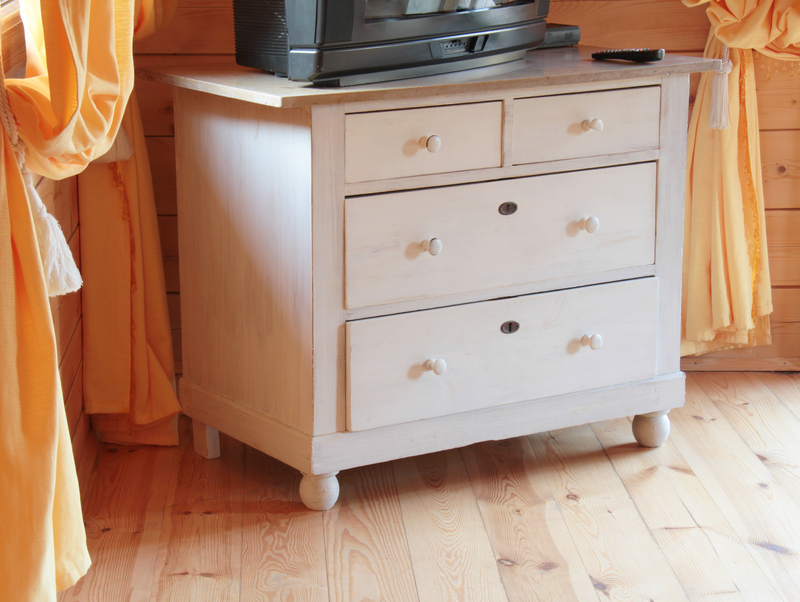
Step 1: Evaluate the Condition of Your Furniture
Before deciding how to get rid of your large furniture, examine its current condition. Does it have years of life left, or is it heavily damaged? An honest assessment helps determine the best course of action.
- Gently used: Might be donated or sold.
- Somewhat worn: Can possibly be refurbished.
- Beyond repair: Likely needs recycling or disposal.
Tips for Evaluating Furniture
- Check for structural stability - wobbly legs or broken frames may rule out reuse.
- Assess upholstery - stained or torn fabric impacts value.
- Look for severe water, pest, or fire damage.
Step 2: Options for Reusing and Donating Large Furniture
Reusing is the most sustainable step in the furniture disposal process. If your piece is still functional, consider these options before recycling or landfill disposal:
Donate to Charities and Nonprofits
- Local shelters, churches, and thrift stores often accept gently used furniture.
- Organizations like the Salvation Army and Goodwill offer free pickup for large pieces.
- Some charities specialize in furnishing homes for those in need.
Before donating, ensure the items meet the charity's standards and are clean, free from major damage, and safe to use.
Give Away or Sell
- Use online platforms like Craigslist, Facebook Marketplace, or Nextdoor.
- Host a garage or yard sale.
- Ask friends or family who may need furniture for dorms, new apartments, or first homes.
By opting for reuse, you are extending the life of your furniture and reducing environmental impact.
Step 3: Prepare Furniture for Removal or Pickup
Regardless of whether you donate, recycle, or dispose of your furniture, proper preparation is crucial. This step will make the large furniture removal process smoother for everyone involved.
- Empty drawers and remove detachable parts (e.g., cushions, shelves, legs).
- Clean and disinfect surfaces for hygiene.
- Disassemble bulky items like beds, wardrobes, or modular shelving to ease transportation.
- Bundle smaller pieces together to avoid loss or confusion.
- Wrap fragile corners and surfaces with blankets or bubble wrap.
Step 4: Choose the Most Suitable Disposal Option
When reuse isn't viable, it's time to identify an appropriate and ethical disposal method. Each method for large furniture disposal has requirements, costs, and environmental implications.
1. Council or Municipal Bulk Waste Collection
- Many local councils offer scheduled bulky item pickups.
- Check the types of furniture accepted and book early--slots often fill up quickly.
- Prepare your items as per municipal guidelines (bundling, labeling, or curbside placement).
2. Private Furniture Removal Services
- Hire licensed waste management or furniture removal companies for same-day collections.
- Companies such as 1-800-GOT-JUNK or local equivalents can handle heavy lifting and responsible disposal.
- Always choose providers who prioritize recycling and zero-landfill commitments.
3. Take Furniture to Approved Recycling Centers
- Many recycling depots accept large items such as wood, metal, and mattresses.
- Contact your nearest recycling facility to confirm accepted items and operational hours.
- Be prepared to pay a small fee for commercial disposal.
Pro Tip: If possible, transport disassembled furniture to save space and potentially reduce costs.
4. Landfill as a Last Resort
- If your furniture is completely unusable and not recyclable, landfill may be the only option.
- Check with your local waste authority for specific drop-off logistics and fees.
- Label items as non-recyclable to assist facility handlers.
Step 5: Responsible Recycling of Furniture Components
A sustainable furniture disposal and recycling approach seeks to divert as much waste as possible from landfills by separating recyclable materials. Many furniture pieces are made from a mix of wood, metal, plastic, glass, and upholstery, each with unique recycling routes.
Disassembling Furniture for Recycling
- Separate wood, metal, and plastic components.
- Remove upholstery staples, screws, and nails for pure material streams.
- Sort non-recyclable parts such as certain adhesives or treated wood.
Sorting furniture before recycling allows each material to be processed in its appropriate recycling stream, reducing contamination and improving efficiency.
Common Recyclable Furniture Materials
- Wood: Natural or untreated wood can often be chipped for landscaping or converted into biomass fuel.
- Metals: Steel frames and aluminum parts are highly recyclable and valuable for scrap dealers.
- Plastics: Hard plastics from furniture legs or frames can be recycled, depending on the type.
- Textiles and Padding: Some mattress recycling programs accept foam, fabric, and coils for specialized processing.
- Glass: Shelves and tabletops can be recycled separately if not tempered.
Step 6: Eco-Friendly Alternatives to Traditional Disposal
Thinking creatively about large furniture waste can yield innovative, environmentally conscious solutions.
Upcycling and Repurposing
- Transform an old bookshelf into a garden planter.
- Convert a worn-out table into a craft station.
- Reupholster chairs instead of tossing them.
DIY projects can breathe new life into dated or damaged furniture, reduce landfill usage and potentially save money.
Community Freecycling Events
- Attend local "swap meets" or set up a neighborhood furniture exchange.
- Participate in annual citywide "cleanup days" for free drop-off and responsible disposal.
Important Considerations and Regulations
Each municipality may have different rules and fees related to large furniture disposal and recycling. Keep the following in mind:
- Some furniture, like mattresses and electronics, have special recycling requirements.
- Hazardous items, such as upholstered furniture treated with chemicals, may require specific handling.
- Laws may prohibit dumping furniture on roadsides or in public spaces, punishable by fines.
*Check local guidelines before disposing of large items to avoid legal and environmental risks.*

Frequently Asked Questions About Large Furniture Disposal
- What is the best way to dispose of heavy furniture?
The best method is donation or reuse, followed by recycling. If neither is possible, use council collection or reputable removalists. - Are all furniture materials recyclable?
Not all furniture is recyclable, especially items with mixed or hazardous materials. Always check with your waste management facility first. - How do I move large furniture myself?
Disassemble whenever possible, enlist help, use furniture sliders or dollies, and protect surfaces to prevent injuries and damage. - Can I leave furniture curbside for free pickup?
Only if your municipality allows it by scheduled appointment or during special collection days. Otherwise, you could face fines for illegal dumping.
Conclusion: Choose a Smart, Sustainable Path for Your Large Furniture
Large furniture disposal and recycling doesn't have to be overwhelming. By following this stepwise approach, you contribute to environmental preservation, support your community, and potentially find new uses for old items. Remember to:
- Assess your furniture's condition
- Consider donating, selling, or reusing first
- Prepare your furniture for safe transport
- Choose the most responsible disposal or recycling method
- Follow local laws and best practices
For eco-friendly large furniture removal, always prioritize reuse and recycling before resorting to landfill. By doing so, you not only free up space but also make a positive, sustainable impact.
If you need professional assistance, contact your local furniture disposal and recycling services to start the process today.