Garden Clearance in Osterley

Garden clearance in Osterley should leave outdoor spaces ready for the next stage of use, whether that means opening up a lawn, clearing access to borders, removing overgrown cuttings or taking away mixed garden waste after seasonal work. Our service is designed around practical clearance rather than quick tidying alone, so the focus stays on what can be removed, separated and taken away responsibly. We handle typical garden materials with care and keep the work straightforward for homeowners, landlords and property managers who want the site cleared without unnecessary disruption.
The work can involve a single bulky item, a run of hedge trimmings, old planters, broken pots, soil, turf, branches, fencing offcuts and other outdoor waste that builds up over time. In many gardens, the challenge is not just volume but access, sorting and the mix of materials. We look at what is present, what needs careful handling and how the clearance should be approached so the space is left in a sensible state. Clear, safe and organised removal is the aim from the start.
For a quotation, it helps to describe the site, the materials involved and any access details that might affect removal. If you already know whether the job includes green waste only or a wider clearance, that makes it easier to match the right team and equipment to the task. Tell us what needs moving, where it is located and how soon you would like it done, and we can talk through the next step. A simple outline is often enough to begin.
What garden clearance can cover
Garden clearance is usually broader than cutting back plants or loading a few bags. It may include pruning debris, ivy, deadwood, leaf fall, loose compost, old sleepers, damaged garden furniture and weathered fixtures that are no longer in use. In some gardens, the most useful work is selective removal, where only the unwanted material is taken so healthy planting and permanent features remain intact. That approach can make the outside space easier to manage without stripping away everything in sight.
Our service is suited to gardens that need a reset after a period of neglect, a tenant move-out, landscaping work or the end of a growing season. We also deal with mixed outdoor waste where green material sits alongside household or light junk items gathered in sheds, corners or along boundaries. Where access is tight, we plan the removal route before lifting begins, so the clearance is handled in a controlled way rather than rushed. If you are comparing options, think about whether you need a light tidy, a substantial clear-out or a full removal of accumulated waste.
In practical terms, a good clearance service should be able to deal with different material types without turning the job into a series of separate visits. Useful examples include:
- branches, hedge cuttings and garden clippings
- soil, turf and roots from digging or replanting
- broken outdoor items, plant containers and light fixtures
- bags of waste gathered after seasonal maintenance
Garden waste removal and responsible handling

Garden waste removal is a core part of keeping outside areas manageable, especially where clippings, branches and green material have begun to block paths or gather around sheds and fences. We separate the work into what is reusable, what needs careful loading and what is ordinary garden waste suitable for removal. That process matters because not every item in a garden has the same weight, shape or handling needs. Planning the load properly can reduce delays and help the job stay efficient from start to finish.
Not everything that appears in a garden is green waste, so we pay attention to the material mix before collection. Old timber, lightweight metal, disassembled trellis sections and worn garden accessories may sit alongside cuttings and soil. Where suitable, items are grouped so they can be managed sensibly rather than mixed in ways that make collection awkward. If there are awkward corners, narrow side passages or soft ground underfoot, those details matter when deciding how the removal should be carried out.
The right quotation usually reflects the amount and type of waste, how easy it is to access and whether the job requires a light uplift or a fuller clearance. If the space includes a wide spread of material, a simple room-by-room or boundary-by-boundary description is often useful. For the best result, show the main piles, the access route and any items that need particular care. That kind of detail helps the work be scoped accurately without adding guesswork.
Overgrown gardens, boundary cut-backs and reset work
Some gardens need more than collection of loose waste. When growth has spread into paths, around borders or over boundary lines, the clearance job may start with reducing the volume of overgrowth so the rest of the space can be accessed properly. This kind of work often reveals hidden waste beneath layers of vegetation, such as old pots, collapsed supports or debris trapped behind shrubs. Clearing in a sensible order helps the area become manageable again without creating unnecessary disturbance.
Where an outside space has become difficult to use, the aim is often to restore a clear route, remove obstructive waste and make further maintenance possible. That may mean lifting tangled cuttings, detaching dead growth from fences or reducing piles that have built up after previous gardening projects. The outcome is not a decorative redesign, but a practical reset that gives the owner a workable base for the next stage. Careful removal around living planting is especially important in mixed borders and narrower spaces.
Before any visit, it is helpful to think about the boundaries of the job. If there are items that should stay, such as planted containers, ornaments or fixed structures, saying so up front avoids confusion. It is also useful to note whether the area is level, stepped or partially obscured by growth. These are simple points, but they make the difference between a clearance that feels orderly and one that needs revisiting. A short written outline is often enough to begin the conversation.
Domestic outdoor clearances for homes and rentals
Domestic garden clearance often comes down to making an outside space usable again without turning the process into a major project. For homes, that may mean clearing the aftermath of pruning, removing items left by previous occupants or taking away years of accumulated outdoor clutter. For rental property, the emphasis may be on restoring a sensible presentation after a tenancy or before maintenance work starts. In both cases, the same principle applies: remove what is no longer needed and leave the remaining space tidy enough for the next stage.
Homeowners often want a mix of green waste removal and item clearance, especially where the garden has become a store for broken tools, faded furniture or unused materials. Rather than separating each item into a different job, it can be more efficient to handle the outdoor contents together, provided the scope is clear. That approach saves time and avoids leaving awkward leftovers around the edges of the site. It also gives a better sense of how much work is actually involved before a quotation is agreed.
When preparing an enquiry, a short list of the main items can be more useful than a long explanation. Mention whether the garden contains branches, bags, soil, timber, furniture or mixed rubbish, and note whether vehicles can get near the property. If photographs are available, they can help confirm scale, but a written description remains important too. Keep it simple and direct, and ask for a quotation once the main details are clear.
Garden furniture, sheds and other outdoor items

Many garden clearances include more than natural growth or cuttings. Broken chairs, rusting tables, disused barbecue equipment, tired storage boxes and damaged decorative items can all take up space long after they have ceased to be useful. Some of these pieces are awkward because they are light but bulky, while others are heavy or uneven to move. A sensible clearance plan treats these items as part of the outdoor space as a whole rather than as a separate problem.
Where a shed, lean-to or corner storage area is involved, the job may need a bit of sorting before lifting begins. Not everything kept outdoors is waste, so it is important to distinguish between what should stay and what should go. This is particularly relevant when tools, containers and leftover materials have been stored together over time. Taking the time to separate those categories can make the actual clearance faster and more controlled, especially in smaller gardens where there is limited working room.
If you are asking for a quotation, it helps to say whether the job includes only outdoor waste or whether there are also light household items stored in the garden. A concise description of the pile size, access route and any fixed features nearby is usually enough. Clear information leads to a clearer quote, and it also helps decide whether the job is best handled as a one-off uplift or as a more complete outdoor clearance. Use the enquiry to set out the main facts plainly.
Pricing factors and how quotations are shaped
Garden clearance pricing is usually influenced by the amount of material, the type of waste, the ease of access and the time needed to complete the work. A load of loose clippings is very different from a mixed garden clear-out involving branches, soil, timber and bulky broken items. Even within the same garden, one area may be straightforward while another may need careful lifting through a narrow side passage or around delicate planting. These practical details matter when preparing an accurate quotation.
It is also worth considering whether the work should be tackled in stages. Some owners want the main waste removed first and then the finer clearing carried out afterwards; others prefer one visit that covers everything together. Both approaches can work, but the right choice depends on the condition of the space and how much material is present. We aim to match the method to the garden rather than forcing the garden into a fixed method. That keeps the job proportionate and easier to manage.
If you want the clearest quotation possible, describe the access, the type of waste and any sections that need particular care. A few direct points are usually enough: what needs removing, where it is, and whether there are steps, side gates or restricted approaches. That small amount of detail can prevent a lot of back-and-forth later. For many customers, the best next step is simply to gather the facts and request a quote.
About Osterley
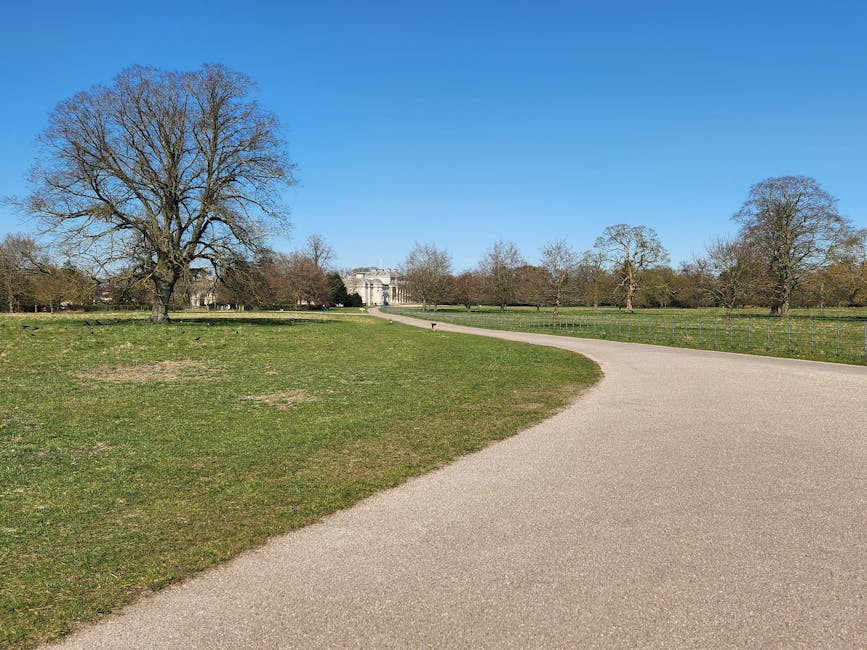
Osterley is an area in west London, best known for the presence of Osterley Park and House, one of the most significant historic estates in the borough of Hounslow. The parkland forms a notable open green space within a densely built part of the capital, with broad lawns, mature trees and landscaped grounds that reflect the country-house traditions of the eighteenth century. The house itself was redesigned in the 1760s by Robert Adam for the Child family, and its elegant neo-classical interiors remain one of the area’s defining heritage features. The wider district takes its name from the estate and has long been shaped by the contrast between historic landholding, suburban development and transport links into central London.
Much of Osterley’s character is tied to the relationship between the old estate landscape and later twentieth-century growth around it. The Grand Union Canal passes nearby, adding another layer to the area’s geography and history through the older transport and trade routes that crossed west London. Over time, the district became more residential, with streets, estates and local centres developed around the station and road network. The result is a place where formal historic architecture, open green space and everyday suburban life sit close together. Nearby Brentford and Isleworth have also influenced how the area is perceived, but Osterley retains a clear identity of its own.
Architecturally, the area includes a mixture of listed estate buildings, post-war housing and later residential streets, while the surrounding landscape still reflects the scale of the former parkland. The historic house, grounds and associated buildings are the best-known landmarks, but the district also benefits from tree-lined streets, public open space and easy links to other parts of west London. As a locality, Osterley combines heritage interest with practical urban living, and that combination gives it a distinctive place within the borough.
How we approach clearance work on site

Garden clearance works best when the process is organised before lifting starts. We look at the shape of the space, the kind of material present and the most sensible route for moving everything out. That might mean starting at the far end of the garden and working back to the access point, or clearing the largest items first so smaller waste can be gathered without obstruction. The aim is to keep the work steady and avoid damaging surfaces or surrounding planting.
Some clearances are dominated by loose material; others involve awkward objects that need to be handled one by one. Either way, the sequence matters. If there are old timber pieces, broken containers or brittle branches mixed together, the job can benefit from sorting as it proceeds, so each load is manageable and the remaining area is easier to assess. This kind of measured approach is especially useful where a garden has several zones, such as a patio, side return and rear planting area.
Where appropriate, we can combine removal of garden waste with the uplift of other outdoor items, provided the scope is agreed in advance. That helps avoid partial completion or wasted space in the vehicle. One clear plan is better than several uncertain ones, especially where access is limited or the site contains a variety of materials. If you are ready to move forward, the simplest next step is to request a quotation based on the main items present.
Choosing the right type of garden clearance
Not every customer needs the same level of work, so it helps to distinguish between a light garden tidy, a heavier waste removal job and a fuller clearance of neglected outdoor space. A tidy may involve removing visible cuttings and a few light items. A heavier job may need branches, soil and bulkier materials taken away. A fuller clearance can include mixed waste from across the garden, borders, paths, storage areas and boundary lines. The right service depends on how much is there and what result you want.
Garden layout also affects the decision. Wide access and a simple open space allow one kind of approach, while narrow passages, uneven ground or stepped routes may require a more careful plan. If the garden is attached to a basement, side return or terrace arrangement, the removal path can be just as important as the waste itself. Thinking about how the material leaves the site is a practical part of choosing the right job size. It is better to match the clearance to the actual layout than to assume every garden can be handled in the same way.
If you would like to discuss a job, keep the first message focused on the main waste types, the size of the area and any access notes that could affect removal. That gives a clearer starting point than a vague request. You do not need to overstate the work; you just need to describe it accurately. When the scope is understood, it becomes much easier to request a quotation with confidence.
Request a quotation for garden clearance

If you need garden clearance in Osterley, start by outlining what is to be removed and how the area is reached. A straightforward description of the waste, the site layout and any awkward access points usually provides enough detail for a practical quotation. We can then look at the likely scope and discuss the most suitable way to handle it. The aim is to keep the process clear, useful and proportionate to the work required.
For many customers, the most helpful approach is to note the main categories of material first, then mention any items that need careful handling or separation. If there is green waste, mixed waste or bulky outdoor furniture, say so plainly. If there are steps, locked gates or limited parking nearby, include that too. These small points help avoid unnecessary delays and make the quotation more accurate from the outset. If you are ready, send through the details and ask for a quotation.
We are happy to discuss the clearance, explain what the work can cover and agree a sensible plan for removing the unwanted material. Whether the task is mainly garden waste, a broader outdoor clear-out or a mixed job with several types of items, the first step is the same: share the scope and request a quotation. Once the basics are clear, it is easier to move from cluttered space to a clear and workable garden.